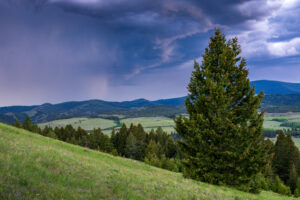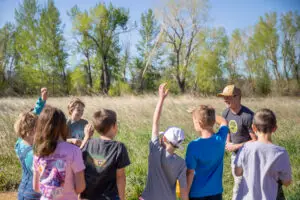
HELENA, Mont. – Conservation easements make Montana a better place to work, live, and play. This tool created a total economic impact exceeding $284 million between 2022 and 2026, according to a new report from the Montana Association of Land Trusts.
The “Working for Montana” report, developed by the Montana Association of Land Trusts and Heart of the Rockies Initiative, offers new economic data explaining how Montana producers leveraged federal agricultural easement programs to improve their farming or ranching operations. The report also highlights specific examples of landowners utilizing land trusts for their communities, national security, and Montana’s major industries – farming, ranching, mining, logging, and outdoor recreation.
“In nearly every corner of our state – from Baker and Plentywood to Troy and Lima – landowners, businesses, community leaders, and public institutions have used conservation easements to achieve goals that are important to their families, businesses, and communities. As you’ll read in the latest ‘Working for Montana’ report, this tool has been put to work for ranchers, farmers, miners, loggers, hunters, outfitters, the Montana National Guard, and a wide range of local communities,” said Paul Travis, Past President of the Board of the Montana Association of Land Trusts and Executive Director of the Flathead Land Trust.
Over the last 50 years, 3,500 Montana families have partnered with land trusts to conserve their private lands in perpetuity through a conservation easement. The report shows:
- 96% of conservation easement funds were invested back into landowner businesses.
- Every federal dollar from NRCS and US Fish and Wildlife Service programs leveraged $1.97 of economic activity in Montana.
- Agricultural landowners used compensation from conservation easements to invest in operational improvements, increase acreage, pay down business debt, and support the succession of their farm or ranch.
“The ‘Working for Montana’ report highlights how Montana landowners and businesses utilize perpetual conservation easements to support Montana’s diverse economy, safeguard land-based industries for the future, and maintain Montana’s character and exceptional way of life,” continued Travis.
In central Montana, Prickly Pear Land Trust works with private landowners to protect working lands, open space, wildlife habitat, and parks and trails. Since 2016, a partnership between PPLT and the Montana National Guard has protected more than 11,000 acres of open space around military installments like Fort Harrison and the Limestone Hills Training Area, including 500 acres of parklands.
“We owe a tremendous debt to private landowners who recognize that Montana’s open spaces and working lands are worth protecting for future generations,” says Mary Hollow, executive director of Prickly Pear Land Trust. “Central Montana is a great place to live, work, and play because of conservation.”
This report builds on a 2022 report titled “Working for Montana Agriculture” which was produced in partnership with the USDA-Natural Resource Conservation Service and the Montana Association of Land Trusts. The full report is available online at report.montanalandtrusts.org.
About Montana Association of Land Trusts
The Montana Association of Land Trusts (MALT) focuses on voluntary, landowner-driven conservation through the exercise of private property rights. Together, MALT and its members work with private landowners to protect Montana’s open landscapes, multigenerational family farms and ranches, clean drinking water, healthy fisheries, recreation opportunities, and pristine wildlife habitat.
About Prickly Pear Land Trust
Prickly Pear Land Trust connects people to the land, water, wildlife, and agricultural heritage of central Montana through conservation, recreation, and education. We’re creating a healthy future for all Montanans by protecting the places where we work, play, and learn outdoors.
###