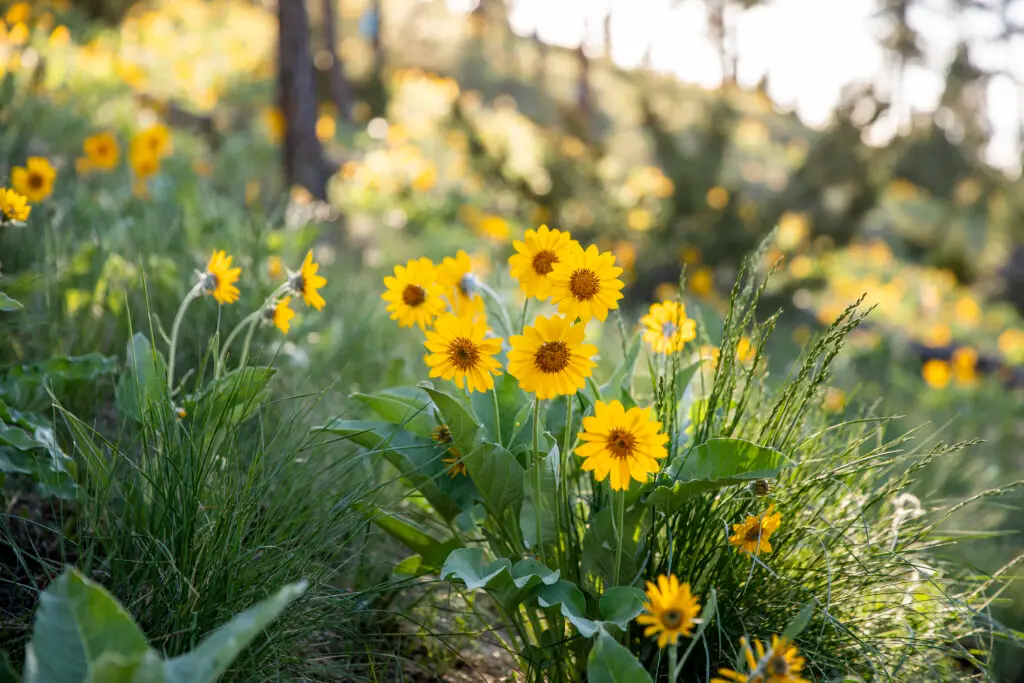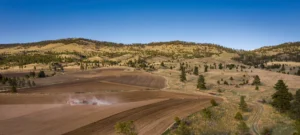
Few seasonal changes in Helena are as recognizable as the blooming of balsamroot in the South Hills. The dry brown hillsides of winter suddenly give way to waves of yellow, turning trails like Rocky Road and Ambrose, gold for a few short weeks each May and early June. The flowers appear just as the town settles into its warm weather rhythm of trail runs, dog walks, and evening hikes.
Arrowleaf balsamroot is one of Montana’s most recognizable native wildflowers. Its bright yellow petals resemble sunflowers, though the plant belongs to a hardy species notably adapted to the dry climate and rocky soils of the northern Rocky Mountains. Thick, silvery-green basal leaves hug the ground to conserve moisture through Helena’s windy springs and arid summers. Beneath the surface lies a deep taproot reaching several feet underground, allowing the plant to survive droughts. Some balsamroot plants are believed to live for decades while the spread of new plants rely on a cast of busy pollinators, hungry birds, and occasionally forgetful ground squirrels leaving caches of buried seeds.
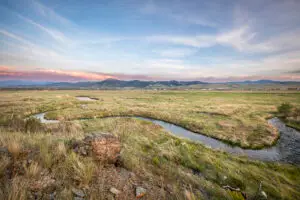
Protected open space in the South Hills has helped preserve the native grassland habitat wildflowers depend on. Nature’s thank you card arrives each year in the form of balsamroot, bitterroot, lupine, blanketflower, and others. Pollinators depend on these plants as a food source, but people depend on them for something harder to measure: a sense of place.
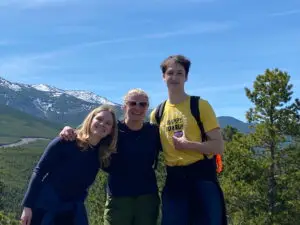
Along the trails you’ll see hikers pausing to photograph the display as runners make their way up dusty switchbacks framed in gold. The bloom’s arrival is as much part of Helena’s seasonal routine as the muted, dry colors of July. But, for a few golden weeks each year, the South Hills remind us why these open spaces matter.
Cassie Solberg is the communications coordinator at PPLT.