In the Helena Valley, spring often arrives along the water. Snowdrifts recede from shaded banks, creeks swell with runoff, and willows begin to leaf out. Against the sound of moving water are the high, clear notes of migratory songbirds moving through the trees. After months of winter’s quiet, creekside habitat come back to life.
For Bo Crees, avian specialist with Montana Audubon, spring is marked by sound. Hearing the first song of a yellow warbler, warbling vireo, or willow flycatcher feels like greeting an old friend. Because willow flycatchers are among the last to arrive, their song carries special meaning. “It gives me the feeling that my friends have all made it back,” he says.
According to Crees, this seasonal shift from winter to spring is more than a welcome change — it’s a biological surge. “Riparian areas explode with resources in spring,” he said, becoming critical rest and refueling stops for hundreds of migratory species. Healthy creekside habitat produce incredible numbers of aquatic and terrestrial insects, and dense streamside thickets offer shelter to birds arriving exhausted and vulnerable, often before leaves have fully emerged.
Though these green ribbons along rivers and streams make up only 3% of Montana’s landscape, they are critical to birds and other wildlife. Crees describes waterways as the equivalent of a desert oasis. Dozens if not hundreds of species rely on these green ribbons of life, especially in spring when much of the surrounding terrain remains dry or slow to green up.
Some species are especially telling indicators of a healthy habitat. In Montana, corridors often host birds like spotted sandpipers, yellow warblers, song sparrows, warbling vireos, and willow flycatchers. These birds are, in Crees’ words, “experts” at assessing habitat quality. When they disappear, it often indicates deteriorating conditions. When they return, it suggests a corridor has crossed an important threshold toward recovery. Because birds respond quickly to environmental change, they serve as early indicators of both damage and renewal, a pattern already visible at Prickly Pear Park. Many of the indicator species listed above have already been documented there.
That early response is closely tied to Prickly Pear Park’s restoration history. After nearly a century as a company town, East Helena asked Prickly Pear Land Trust in 2011 to help establish parks on the former American Smelting and Refining Company property. Following extensive remediation and restoration, the land was transferred to PPLT and is now protected, and accessible by the public.
“In just eight months, Prickly Pear Park has already welcomed more than 20,000 visits,” said Nate Kopp, PPLT’s Program and Trails Director. “It’s become a true community green space, and it’s encouraging to see people connecting with a place that’s been restored not just for wildlife, but for public access too.”
As streamside plant communities recover at Prickly Pear Park, birds have been quick to respond. Since the park’s official opening, 131 bird species have been recorded there according to eBird and iNaturalist — free community-driven apps used to track wildlife observations. Many of these birds are not strictly wetland species but are drawn in by the abundance of food and shelter created through restoration.
Shorebirds such as lesser yellowlegs, long-billed dowitchers, and willets don’t breed anywhere near the park, but use the area as a critical stopover during migration. Raptors including peregrine and prairie falcons, merlins, american kestrels, cooper’s hawks, sharp-shinned hawks, and northern harriers are drawn to the abundant bird and small mammal prey along the corridor. Eight species of flycatchers and six species of swallows have been observed foraging over Prickly Pear Creek, giving a strong sign that insect populations are healthy enough to support them.
For people who spend time along these waterways, the changes are often noticeable before they’re measured. More voices in the morning and longer stops during migration. Nesting activity where birds once passed through quickly. These shifts may be subtle, but they are consistent signs that restoration work is taking hold.
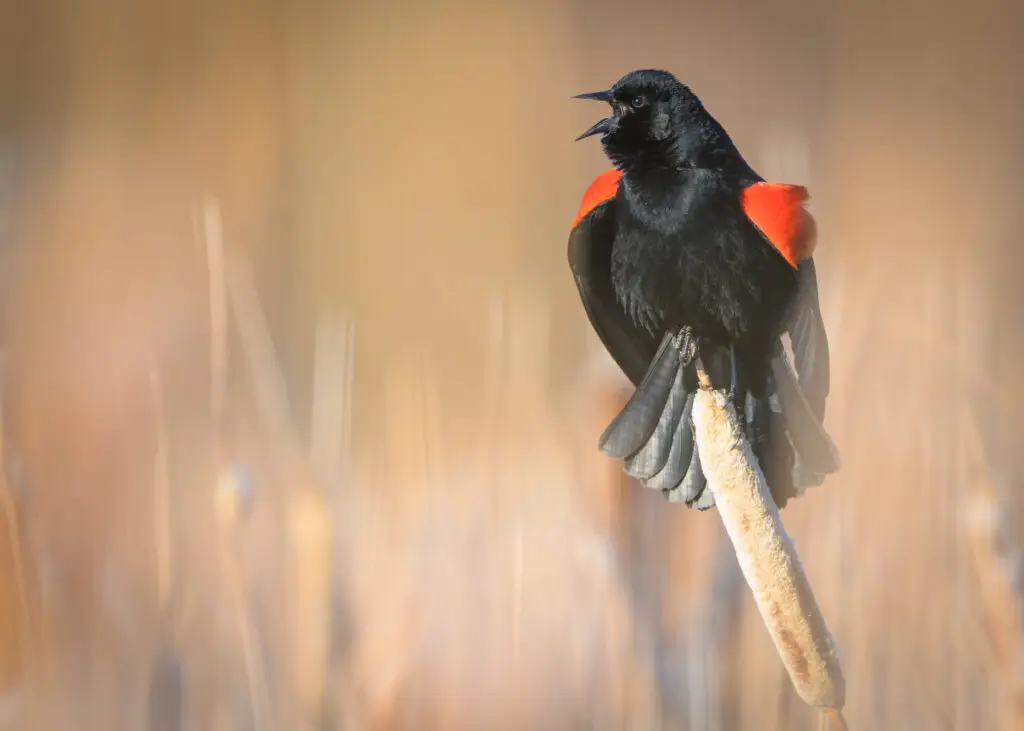
Crees said that even for those who don’t consider themselves birders, birds matter. Sharp declines in bird numbers or diversity can signal problems that affect everyone like early warnings tied to water, soil, or air. “Finding a riparian area without song sparrows, yellow warblers, red-winged blackbirds, or belted kingfishers can be just as alarming as finding dead fish in your favorite swimming hole,” he says.
The results of creekside restoration aren’t always dramatic though. Sometimes they sound like a normal spring morning, and that’s the point. When care is consistent, birds return in familiar ways, year after year. It’s a simple outcome, but a meaningful one, and one worth continuing.
Cassie Solberg is the communications coordinator at PPLT.